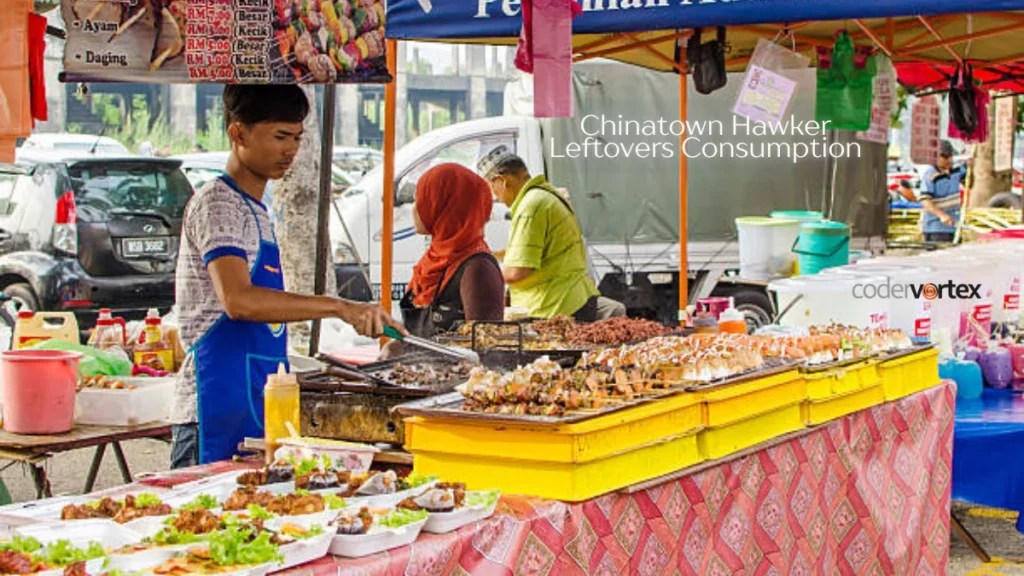
Introduction to Chinatown Hawker Leftovers Consumption
Chinatown pulses with layered heritage, living traditions, and a feast of flavors woven into everyday life. Among its many treasures are the bustling hawker centers, where mouthwatering dishes tempt both locals and tourists alike. But what happens to all the delicious food that goes uneaten at these stalls? The phenomenon of Chinatown Hawker Leftovers Consumption often flies under the radar—a hidden world filled with stories waiting to be told.
As you stroll through the colorful streets, you’ll catch glimpses of people savoring yesterday’s meals or creatively repurposing leftovers into delightful new offerings. This practice raises questions about sustainability, health implications, and even community spirit in one of Singapore’s most iconic neighborhoods. From age-old traditions to modern solutions for reducing waste, this blog post delves deep into the unseen narratives surrounding Chinatown hawker leftovers consumption. Prepare to explore an aspect of dining that transcends mere sustenance; it’s about connection—between cultures, flavors, and people who share a love for good food.
The History and Tradition of Hawker Centers in Singapore Chinatown
Hawker centers in Singapore’s Chinatown are more than just food courts; they are cultural landmarks. Emerging in the 1970s, these vibrant spaces brought together diverse culinary offerings under one roof. The concept was born out of necessity, providing affordable meals to a growing urban population.
Each stall tells a story, reflecting the rich heritage of Chinese immigrant communities. From Hainanese chicken rice to char kway teow, recipes were passed down through generations. This fusion of flavors showcases the melting pot that is Singapore.
Traditionally bustling with life, hawker centers serve as communal dining hubs where families and friends gather over familiar dishes. The atmosphere buzzes with chatter and laughter, making each visit feel like homecoming.
Preserving this tradition has become crucial amid modernization efforts. As hawkers adapt their menus for younger audiences while maintaining authenticity, they continue to symbolize resilience and unity within the community.
The Controversy Surrounding Chinatown Hawker Leftovers Consumption
Chinatown hawker leftover consumption has sparked heated debates among locals and food enthusiasts. Some view it as a practical solution to food waste, while others raise concerns about hygiene and safety.
Critics argue that consuming leftovers can pose health risks. The fear of foodborne illnesses looms large, especially in a bustling environment like Chinatown where meals are prepared en masse.
On the flip side, advocates emphasize the cultural significance of these practices. They highlight how sharing or repurposing uneaten dishes is part of communal spirit. It reflects an age-old tradition rooted in resourcefulness.
Social media amplifies this controversy, with videos capturing both sides of the argument. Some portray leftover consumption as a culinary adventure; others warn against its dangers.
The dialogue continues to evolve as more voices join in, shaping public perception around this unique aspect of Singapore’s vibrant hawker scene.
Health Implications and Safety Measures for Chinatown Hawker Leftovers Consumption
Chinatown Hawker leftovers consumption raises important health considerations. The freshness of the food is often a concern, as it directly impacts safety. Bacteria can thrive on improperly stored meals.
Hawker centers typically use tight schedules for food preparation and serving. However, once leftovers are set aside, vigilance is crucial. It’s essential to store them correctly to prevent spoilage.
Some hawkers take proactive steps by labeling their leftover containers with expiry dates. This simple action helps customers make informed decisions about what they consume.
Moreover, hygiene plays a vital role in this equation. Regular cleaning protocols ensure that utensils and surfaces don’t harbor harmful pathogens that could contaminate leftover dishes.
Customers should also be aware of visual cues when selecting leftovers—smells or discoloration can indicate problems before tasting even begins. Being cautious can keep dining experiences enjoyable and safe at these vibrant culinary hubs.
Environmental Impact of Chinatown Hawker Leftovers Consumption
Chinatown’s vibrant hawker scene is a feast for the senses. However, it comes with an environmental cost that often goes unnoticed.
Leftovers from bustling food stalls create significant waste. Many diners opt to leave unfinished meals behind, adding to the growing problem of food disposal in urban settings.
These leftovers contribute not just to landfill overflow but also release greenhouse gases during decomposition. This cycle impacts air quality and contributes to climate change.
Yet there are glimmers of hope amidst this challenge. Some hawkers are embracing eco-friendly practices by donating excess food to local charities or using biodegradable containers.
Awareness is slowly building around these issues. More patrons are becoming conscious of their consumption habits and seeking ways to minimize waste while enjoying their culinary adventures in Chinatown’s rich tapestry of flavors.
Personal Stories and Perspectives from Chinatown Hawker Leftovers Consumption
Amid the bustling stalls, stories echo through the air. Locals share their experiences of savoring leftover dishes at Chinatown hawker centers. One elderly gentleman recalls his childhood days, when he’d eagerly await his mother’s late-night trips for discounted meals.
A young couple finds joy in discovering hidden gems among yesterday’s food. They cherish those moments together, indulging in flavors that tell tales of tradition and resilience.
Street vendors often embrace this culture too. They recount how customers request leftovers with a smile, turning what was once considered waste into cherished meals.
For many, these remnants symbolize more than just sustenance; they reflect community bonds. A single bowl of noodles can ignite conversations that span generations, reminding everyone of shared heritage and connection to place.
These personal narratives weave a tapestry rich with emotion and history amidst the vibrant backdrop of Chinatown’s culinary scene.
Alternative Solutions and Initiatives to Reduce Food Waste in Chinatown Hawker Leftovers Consumption
Innovative solutions are emerging to tackle food waste in Chinatown. One notable initiative is the implementation of food-sharing apps. These platforms connect hawker stalls with consumers eager for discounted meals as closing time approaches.
Another creative approach involves collaboration between local charities and hawkers. Many vendors now donate unsold food to organizations that feed those in need, ensuring that excess becomes a blessing rather than a burden.
Educational campaigns play an essential role too. Workshops on proper storage techniques help both vendors and customers maximize leftover consumption, reducing waste significantly.
Sustainable packaging options are gaining traction among hawkers. Transitioning from single-use plastics to biodegradable containers can minimize environmental impact while encouraging responsible leftovers handling.
These initiatives reflect a growing awareness and commitment within the community toward more conscious consumption practices in Chinatown’s vibrant culinary landscape.
Conclusion
Chinatown Hawker Leftovers Consumption paints a vivid picture of the complexities surrounding food in one of Singapore’s most iconic neighborhoods. The tradition rooted deep within the hawker center culture reflects not only culinary delights but also social habits and community ties.
While some debate the ethics and safety concerns tied to consuming leftovers, many find value in salvaging what would otherwise go to waste. Each dish carries a story, perhaps of late-night cravings or family gatherings long past.
Health measures are crucial for ensuring that leftover consumption remains safe, yet they should not overshadow the environmental benefits this practice brings through reduced food waste. With initiatives already underway to promote better management of surplus food, there is hope for more sustainable practices among hawkers.
Personal stories abound—each plate tells its own tale of resourcefulness and resilience amid an ever-changing urban landscape. In engaging with these narratives, we uncover deeper connections between people and their meals.
As awareness grows regarding Chinatown Hawker Leftovers Consumption, so too does innovation aimed at minimizing waste while maximizing flavor and opportunity within this vibrant community space. While challenges remain, embracing these unseen stories paves the way for a future where every bite counts.