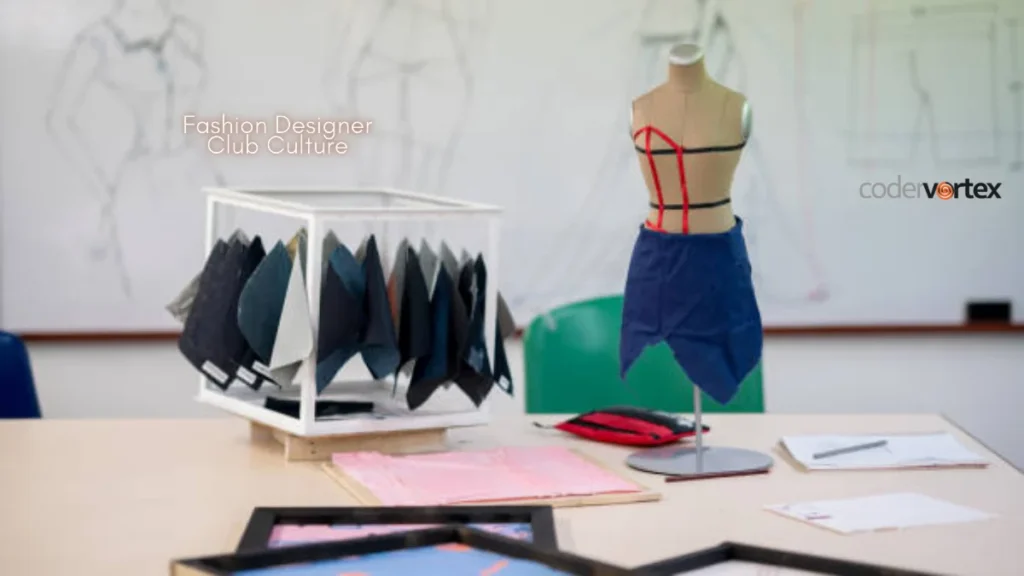
Introduction to Fashion Designer Club Culture
In the vibrant world of fashion, trends often emerge from unexpected places. One such phenomenon is the Fashion Designer Club Culture, where creativity meets nightlife in a dazzling display of style and self-expression. Picture this: pulsating music, eclectic crowds, and avant-garde designs that challenge norms—all coming together to create an electrifying atmosphere. This unique culture has not only influenced runway shows but has also redefined how we perceive high fashion.
The blend of art, music, and social interaction within these clubs serves as a breeding ground for innovation. Designers find inspiration in the energy around them while club-goers showcase their individual flair through eye-catching outfits. Whether it’s bold colors or daring silhouettes, Fashion Designer Club Culture continues to shape our understanding of aesthetics today. Join us as we delve deeper into this captivating intersection of nightlife and high fashion!
What is Fashion Designer Club Culture?
Fashion Designer Club Culture is a vibrant blend of creativity and community within the fashion world. It embodies the spirit of collaboration among designers, artists, and influencers who gather to celebrate innovation.
At its core, this culture thrives on shared experiences. Designers often find inspiration in club atmospheres where music, art, and fashion intersect. These lively settings foster ideas that push boundaries.
Moreover, it creates a unique platform for self-expression. Individuality shines through bold designs influenced by nightlife aesthetics. This connection between clubs and couture allows emerging talents to showcase their work in dynamic environments.
Through events and gatherings, Fashion Designer Club Culture nurtures relationships that redefine style trends. It’s an ever-changing landscape that continuously feeds fresh concepts into the broader fashion industry.
The Emergence of Fashion Designer Club Culture in the Fashion Industry
Fashion Designer Club Culture began to take shape in the late 20th century. As nightlife evolved, so did the scene surrounding it. Designers started looking beyond traditional runways for inspiration.
Clubs became creative havens where unique styles flourished. This vibrant environment encouraged daring fashion choices that pushed boundaries. Nightclubs were not just venues; they were incubators of innovation.
The lines between clothing and performance blurred. Artists collaborated with designers, resulting in pieces that demanded attention on both dance floors and catwalks alike.
Key events like New York’s Studio 54 showcased this synergy, making bold statements through avant-garde outfits. The underground culture thrived on self-expression, embracing diversity and individuality.
As a result, established fashion houses took notice of these trends emerging from club settings. They began incorporating these eccentric elements into their collections, elevating what was once considered niche to mainstream appeal.
Influence on Avant-Garde Style
Fashion designer club culture has played a pivotal role in shaping avant-garde style. This movement thrives on pushing boundaries, challenging norms, and embracing the unconventional.
Clubs served as crucibles for creativity. Designers found inspiration in the vibrant nightlife and diverse expressions of identity surrounding them. The eclectic mix of music, art, and fashion allowed new ideas to flourish.
Avant-garde pieces often feature exaggerated silhouettes, bold colors, and unexpected materials. These elements stem from the desire to stand out in crowded dance floors or intimate gatherings where individuality reigns supreme.
Influential designers drew from this atmosphere to craft garments that blur the lines between performance art and wearable fashion. The result is an aesthetic that celebrates rebellion while inviting viewers into a world of imagination.
This synergy continues today as contemporary designers reference these past influences, ensuring that avant-garde remains dynamic and ever-evolving within the fashion landscape.
Iconic Designers and their Contributions to Fashion Designer Club Culture
The realm of Fashion Designer Club Culture boasts a vibrant tapestry woven by visionary designers. Think of Jean-Paul Gaultier, whose daring aesthetics blurred gender lines and celebrated individuality. His collections transformed clubwear into an art form.
Then there’s Vivienne Westwood. Her punk-inspired designs injected rebellion into high fashion, making statements that resonated within club walls and beyond. The safety pin became a symbol of defiance under her skillful hands.
Donatella Versace embraced opulence while channeling the electric energy of nightlife. Her bold prints and sensual silhouettes captured the spirit of dance floors, inspiring countless looks on runways.
We must mention Alexander McQueen. His avant-garde creations pushed boundaries with theatricality, merging dark romanticism with urban culture—a true reflection of club life’s raw essence.
These designers didn’t just create clothing; they shaped an entire culture that continues to influence fashion today.
How Fashion Designer Club Culture Continues to Shape the Fashion Industry Today?
Fashion Designer Club Culture remains a powerful force in the industry today. It nurtures creativity and encourages designers to push boundaries. This vibrant culture thrives on collaboration, infusing fresh ideas into mainstream fashion.
Today’s designers often draw inspiration from club aesthetics, incorporating bold colors and experimental silhouettes into their collections. The influence of nightlife is evident on runways around the world, where garments are crafted for both movement and visual impact.
Moreover, social media amplifies this connection between clubs and fashion. Platforms like Instagram showcase street style that reflects club culture’s eclectic spirit. Emerging talents gain recognition through digital platforms, driving trends that resonate with younger audiences.
In addition, sustainable practices rooted in club culture are gaining traction. Designers prioritize eco-friendly materials while still embracing avant-garde styles synonymous with nightlife vibrancy. The fusion of these elements keeps the fashion landscape dynamic and ever-evolving.
Evolution of Clubwear into High Fashion
Clubwear has undergone a remarkable transformation over the years. Originally designed for nightlife, it was all about comfort and boldness. Think bright colors, eye-catching patterns, and daring cuts.
As designers began to take note of this vibrant culture, clubwear started to seep into high fashion. Collections began showcasing elements like sequins, leather accents, and experimental silhouettes inspired by the underground scene.
This shift was influenced by icons who wore these styles on runways and red carpets alike. Designers embraced the playful spirit of clubs while infusing luxury fabrics and sophisticated tailoring.
Today’s collections often reflect this blend—where street style meets haute couture. High fashion now draws from that rebellious essence of club culture but is presented with an elevated twist that resonates broadly across various demographics.
Conclusion: The Enduring Impact of Fashion Designer Club Culture
Fashion Designer Club Culture has created a lasting legacy within the fashion industry. From its vibrant roots in underground clubs to its current embrace on runways around the world, this culture continues to redefine style boundaries. The bold experimentation and innovative spirit of designers associated with club culture have inspired countless others.
As we look ahead, it’s clear that the fusion of high fashion and streetwear will persist. This blend not only encourages creativity but also celebrates diversity and individuality in self-expression. Designers will undoubtedly continue to draw inspiration from nightclubs, ensuring that Fashion Designer Club Culture remains a significant force shaping trends for years to come.
The impact is undeniable, as it champions freedom and artistic exploration—a testament to how cultural movements can influence an entire industry. With each new collection released, club culture’s essence echoes through garments worn everywhere from catwalks to everyday life.