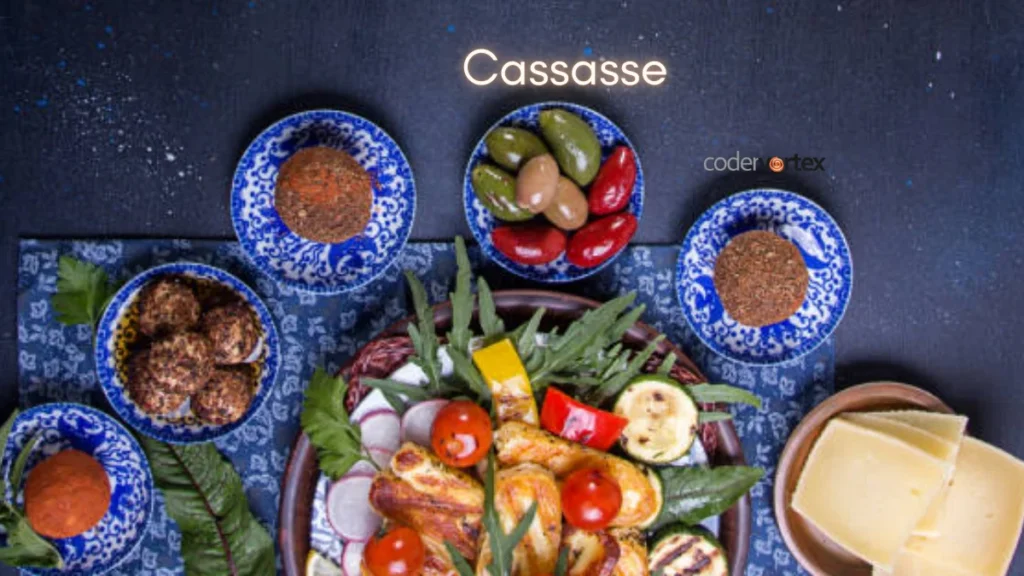
Introduction to Cassasse
If you’ve ever found yourself wandering through the vibrant streets of the Caribbean, you’ve likely encountered a dish that captures the essence of this enchanting region. Enter Cassasse—a culinary gem that weaves together history, culture, and flavor in every bite. This beloved dish pays homage to its roots while inviting food lovers on a journey through time. With an array of traditional ingredients and regional variations, Cassasse is more than just food; it’s a story simmered in spices and heritage. Let’s dive into what makes Cassasse such an iconic part of Caribbean cuisine.
History and Origins of Cassasse
Cassasse boasts a rich tapestry woven into the cultural fabric of the Caribbean. Its origins trace back to West African culinary traditions brought over by enslaved peoples. These early recipes transformed as they mingled with local ingredients and European influences.
The dish typically centers around cassava, a root vegetable known for its versatility. Indigenous communities recognized its potential long before colonization began, using it in various forms.
As time passed, cassasse evolved across different islands. Each region adapted the basic recipe to incorporate native spices and flavors, creating unique expressions of this beloved dish.
From Haiti’s pikliz-infused versions to Puerto Rico’s savory takes, every variation tells a story of resilience and adaptation. Cassasse is more than just food; it reflects the struggles and triumphs of those who created it while celebrating shared heritage in each bite.
Traditional Ingredients Used in Making Cassasse
The heart of cassasse lies in its vibrant ingredients. Traditionally, this dish showcases the rich flavors of starchy root vegetables like cassava and yam. These ingredients provide a hearty base that is both nutritious and filling.
Another key component is the use of fresh herbs such as thyme and scallions. They add an aromatic touch that elevates the overall taste profile.
Coconut milk often plays a starring role, lending creaminess and subtle sweetness to every bite. It beautifully balances out the earthiness of the roots.
Spices like garlic, pepper, and sometimes allspice round out the flavor spectrum. This combination creates a symphony of tastes that reflect Caribbean culinary heritage.
Additionally, for those who crave protein, options like fish or meat can be incorporated into cassasse recipes. The choice depends on regional preferences and family traditions—each variation tells its own story through essential ingredients.
Variations of Cassasse Across Different Caribbean Islands
Cassasse is a delightful dish that varies significantly across the Caribbean. Each island adds its unique flair, influenced by local traditions and available ingredients.
In Jamaica, cassasse often features cornmeal combined with coconut milk and spices. The result is a creamy texture that’s both savory and sweet. It’s usually served as a side dish or enjoyed during festive occasions.
Moving to Puerto Rico, you’ll find cassasse made with yuca or plantains. These variations highlight the island’s abundant roots and tubers, bringing distinct flavors to every bite.
Further south in Trinidad and Tobago, chefs incorporate lentils into their cassasse recipes. This variation not only enhances nutrition but also introduces a hearty element prized in local cuisine.
Each version tells a story of culture and community, making cassasse more than just food—it’s an expression of identity throughout the Caribbean islands.
The Culinary Significance of Cassasse
Cassasse holds a cherished place in Caribbean cuisine, reflecting the vibrant culture and history of the islands. This dish is more than just food; it’s a celebration of community and heritage.
Traditionally prepared for special occasions, Cassasse brings families together. The act of making this dish often involves multiple generations, sharing stories and laughter as they blend flavors and ingredients.
Its versatility allows for creativity. Chefs can adapt recipes based on local availability or personal preference, leading to unique interpretations across different regions. This adaptability ensures that Cassasse remains relevant in today’s culinary landscape.
The use of fresh ingredients connects eaters to the land itself. Each bite tells a story about the island’s agricultural bounty and traditions passed down through time. Enjoying Cassasse is an experience that transcends taste, inviting diners into its rich cultural tapestry.
Modern Twists on Traditional Cassasse Recipes
Chefs today are reimagining cassasse, infusing it with global flavors and innovative techniques. Traditional recipes often feature simple ingredients, but modern interpretations add unexpected twists.
Consider the use of quinoa instead of rice for a nutritious boost. This superfood introduces a nutty flavor while keeping the dish light. Some adventurous cooks experiment with spices like sumac or za’atar, creating a fusion that honors Caribbean roots yet sparks curiosity.
Vegetables play an essential role as well. Roasted bell peppers and asparagus can bring vibrant colors to the plate while enhancing texture. Plant-based alternatives have also found their way into cassasse, appealing to vegan diners without compromising taste.
For those seeking sweetness, tropical fruits such as mango or pineapple may be incorporated in unique ways—perhaps grilled or caramelized—to elevate each bite further. These adaptations reflect both tradition and innovation within this beloved dish, inviting everyone to explore its rich heritage anew.
Conclusion
Cassasse is more than just a dish; it’s a vibrant representation of Caribbean culture and heritage. This delightful meal encapsulates the history, flavors, and creativity that define the region.
As we explored its origins, we learned how cassasse evolved from traditional roots to become a beloved staple across various islands. The ingredients used in this dish are not only essential for flavor but also reflect local agriculture and culinary practices.
Variations abound. Each island puts its unique spin on cassasse, showcasing regional preferences and available resources. From the spices to the cooking methods, every version tells a story.
The culinary significance of cassasse extends beyond mere sustenance. It serves as a connection between generations, often enjoyed during family gatherings or celebrations.
And with modern twists introduced by chefs today, there’s an exciting evolution taking place in kitchens around the Caribbean and beyond. New interpretations keep this classic alive while respecting its rich traditions.
Embracing cassasses means celebrating community ties and shared experiences through food—a timeless journey worth savoring again and again.