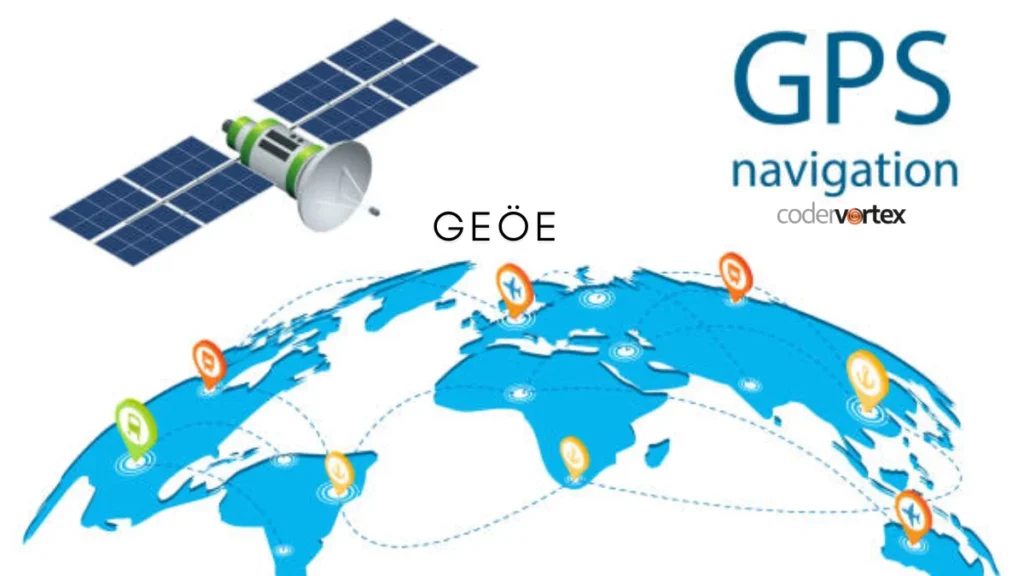
Introduction to Geöe
In a world where location is everything, geolocation technology has become an essential part of our daily lives. Enter Geöe, a revolutionary approach that takes traditional GPS to the next level. Imagine pinpointing your exact position in real time with unparalleled accuracy and efficiency. Whether you’re navigating through bustling city streets or tracking assets across vast landscapes, Geöe is redefining what it means to be “connected.” This blog post will delve into the evolution of geolocation technology, explore how Geöe works its magic, and highlight its groundbreaking applications in various industries. Ready to discover how this innovative tech can transform the way we interact with our surroundings? Let’s dive in!
The Evolution of Geolocation: From GPS to Geöe
Geolocation technology has come a long way since the introduction of GPS in the 1970s. Originally developed for military use, GPS transformed into a global positioning system accessible to civilians. It revolutionized navigation, but its accuracy and limitations remained evident.
As digital landscapes evolved, so did geolocation methods. The emergence of Wi-Fi positioning and cell tower triangulation provided indoor location capabilities, enhancing user experiences in urban environments.
Enter Geöe—a cutting-edge advancement that integrates various data sources for precise localization. Unlike traditional systems that rely solely on satellite signals, Geöe harnesses real-time information from smartphones and IoT devices.
This evolution signifies more than just technological progress; it reflects changing consumer needs for faster and more reliable services. With Geöe at the forefront, we are witnessing a paradigm shift in how we interact with our surroundings through enhanced spatial awareness.
How Geöe Works?
Geöe operates by leveraging a combination of advanced technologies that enhance traditional geolocation methods. It uses an intricate system of sensors, data analytics, and artificial intelligence to pinpoint locations with remarkable accuracy.
At the heart of Geöe is its ability to process vast amounts of location-based data in real-time. This includes signals from satellites, Wi-Fi networks, and mobile towers. By integrating this information, Geöe can determine precise coordinates even in challenging environments where GPS alone might falter.
Moreover, machine learning algorithms play a crucial role in refining accuracy over time. As the system gathers more data, it continuously adapts and improves its geolocation capabilities.
User privacy remains paramount as well. Geöe employs robust security measures to protect personal information while delivering reliable location services for various applications across industries. Whether it’s navigation or asset tracking, Geöe’s innovative approach ensures users receive accurate insights when they need them most.
Advantages and Limitations of Geöe
Geöe offers several advantages that set it apart from traditional geolocation technologies. Its precision is remarkable, enabling users to pinpoint locations with unparalleled accuracy. This level of detail can greatly enhance navigation and logistics.
Moreover, Geöe utilizes advanced algorithms that improve speed and efficiency in location tracking. Businesses benefit from real-time data, allowing for quick decision-making.
However, there are limitations to consider. The technology requires robust infrastructure, which may not be available in all regions. In less developed areas, connectivity issues can hinder its effectiveness.
Privacy concerns also arise with the use of advanced geolocation tech like Geöe. Users often worry about their data being misused or exploited by third parties.
Balancing these benefits and drawbacks will shape how effectively Geöe integrates into daily life and various industries moving forward.
Real-World Applications of Geöe
Geöe is revolutionizing multiple sectors by redefining precision and possibilities in geolocation technology. In logistics, companies are using Geöe to optimize delivery routes in real time, ensuring packages reach customers faster and more efficiently.
In urban planning, city authorities leverage Geöe data for smarter infrastructure development. Accurate location tracking helps them analyze traffic patterns and improve public transportation systems.
Retailers also benefit significantly from this tech. By understanding customer movement within stores, businesses can enhance the shopping experience and create targeted marketing strategies.
Healthcare providers utilize Geöe for patient management. Tracking medical equipment or personnel enhances operational efficiency in hospitals.
Even tourism is transformed through personalized experiences based on visitors’ locations. Travel apps use Geöe to offer tailored recommendations that enrich exploration of new cities.
The Future of Geolocation Technology
The future of geolocation technology is poised for exciting advancements. As innovations continue to unfold, we can expect increased accuracy and reduced latency in tracking systems. This evolution will enhance user experiences across various sectors.
Integration with artificial intelligence offers new possibilities. AI algorithms can analyze vast amounts of location data, leading to smarter decision-making in real-time applications like navigation and logistics.
Moreover, privacy concerns are at the forefront of discussions surrounding geolocation tech. Future developments will likely focus on creating secure frameworks that protect users while still providing valuable insights.
Augmented reality (AR) could also play a crucial role. By merging AR with geolocation, businesses might deliver immersive experiences tailored to individual locations—transforming how consumers interact with their surroundings.
As these technologies converge, the potential for personalized services grows exponentially, making everyday tasks more efficient and engaging than ever before.
Conclusion
The landscape of geolocation technology is rapidly evolving, and Geöe stands at the forefront of this transformation. With its advanced capabilities and innovative features, it is redefining how we interact with our surroundings. The journey from traditional GPS systems to cutting-edge solutions like Geöe showcases a remarkable shift in both functionality and application.
As businesses and consumers alike begin to recognize the potential benefits of Geöe, real-world applications are expanding across various industries. From enhancing navigation experiences to improving asset tracking, the uses for this technology continue to grow. Yet, as with any emerging tech, there are limitations that need addressing.
Looking ahead, the future holds exciting possibilities for geolocation technologies. As advancements unfold—fueled by AI integration and improved data analytics—we can anticipate even greater innovations on the horizon. Geöe exemplifies what lies ahead in our quest for more precise location-based services.
As we embrace these developments, staying informed about their impacts will be essential for making educated choices in both personal and professional realms. The world of geolocation is changing fast; keeping pace with these changes promises an exhilarating adventure into uncharted territories.