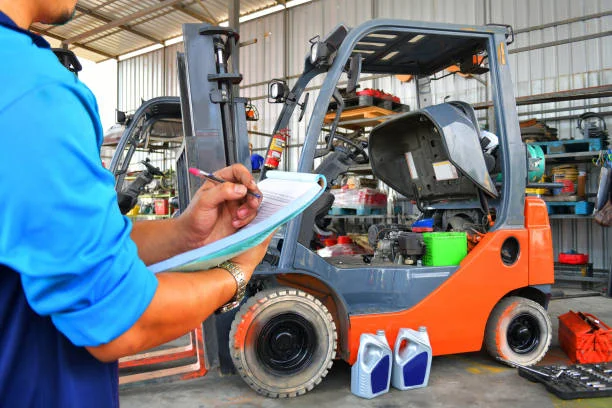
Understanding the Importance of Reliable Forklift Maintenance
Forklifts are indispensable assets in manufacturing facilities, warehouses, distribution centers, retail environments, construction zones, and many other industrial settings. These powerful machines move heavy loads, streamline workflow, and enable operations to function with efficiency and precision. Because forklifts are used extensively and often under demanding conditions, keeping them in excellent working condition is essential for ensuring safety, minimizing downtime, and maximizing productivity. Businesses that prioritize consistent care for their equipment recognize how vital a dependable support system can be. This is where the strategic use of forklift service or Sustaining Forklift Performance becomes invaluable, offering organizations a comprehensive solution that ensures their machines remain safe and capable of performing reliably every day.
Forklifts endure significant strain. They lift enormous weight, travel across long routes, operate for hours at a time, and maneuver through tight spaces. Over time, such repetitive use inevitably leads to wear and tear. Without proper attention, even the smallest mechanical issue can escalate into a major problem that disrupts operations. Maintenance is not simply about fixing problems when they arise; it is about preventing them through routine checkups, inspections, and adjustments. Companies that incorporate structured maintenance practices are better equipped to avoid setbacks that could negatively impact productivity.
How Preventive Care Enhances Equipment Longevity
A well-structured maintenance plan ensures forklifts or Sustaining Forklift Performance receive routine checks before problems develop. Preventive care includes inspecting essential components such as brakes, tires, forks, lift chains, batteries, hydraulic cylinders, cooling systems, and steering assemblies. These parts must function properly for a forklift to operate safely and efficiently. When one component becomes compromised, it often affects the performance of other systems, resulting in a machine that is less predictable and more dangerous to operate.
Regular lubrication, fluid changes, battery evaluations, and safety testing all play significant roles in extending the lifespan of forklifts. When technicians detect early signs of wear, they can address issues before they grow into costly repairs. Preventive maintenance also increases the machine’s performance reliability, ensuring that operators can depend on the forklift or Sustaining Forklift Performance to perform even during high-demand periods.
Businesses that follow scheduled inspections experience fewer breakdowns and enjoy smoother day-to-day operations. Instead of reacting to unexpected malfunctions, they stay ahead of potential problems and ensure continuity in workflow. This proactive approach supports long-term equipment health and reduces the likelihood of expensive emergency repairs.
The Financial Benefits of Proper Forklift Maintenance
Routine forklift upkeep provides substantial financial advantages. Rather than viewing maintenance as an expense, companies should consider it an investment that protects their equipment and operational efficiency. When forklifts break down, operations may come to a halt, resulting in lost time, reduced productivity, and delayed orders. These disruptions often cost much more than implementing consistent maintenance strategies.
Well-maintained forklifts consume less fuel or energy, experience fewer mechanical failures, and last far longer than neglected machines. Delaying or ignoring maintenance typically leads to parts wearing out prematurely, which forces businesses to replace components more frequently. Furthermore, emergency repairs can be significantly more expensive than scheduled servicing.
Through the regular use of forklift service or Sustaining Forklift Performance, organizations gain access to professional support that helps them keep equipment in prime condition. Technicians identify potential issues early, recommend cost-effective solutions, and ensure that forklifts perform efficiently. Proper maintenance reduces overall operating costs and helps organizations avoid major financial setbacks caused by unplanned downtime.
Supporting Workplace Safety Through Professional Oversight
Safety is a core concern for any workplace that uses forklifts. Forklift accidents often result from mechanical failures, operator errors, or inadequate equipment maintenance. To prevent accidents, every forklift must operate with precision and reliability. Key safety components such as the braking system, steering controls, seat restraints, lighting, alarms, and mast assemblies must function without issue.
Routine inspections identify loose parts, worn tires, weakened chains, and other potential hazards that might compromise operator safety. When forklifts receive or Sustaining Forklift Performance regular servicing, safety concerns are addressed before they pose a threat. Additionally, professional technicians are trained to recognize hazards that operators or supervisors may overlook. Their insights help businesses create safer environments and reduce the risk of workplace injuries.
Well-maintained forklifts provide operators with confidence, allowing them to perform tasks more efficiently and accurately. Improved safety standards benefit not only operators but also everyone in the surrounding area. Skipping or delaying essential maintenance places employees and inventory at risk. In contrast, structured servicing builds a culture of responsibility and protection across the entire facility.
How Professional Technicians Improve Equipment Reliability
One of the greatest advantages of working with trained technicians is the expertise they bring to forklift maintenance. Professional service providers understand the complexities of internal components, electrical systems, hydraulic mechanics, and operational structures. They can diagnose problems accurately and repair them using proven techniques and high-quality parts.
Technicians are familiar with both common and rare issues, allowing them to address challenges efficiently. They ensure that forklifts operate according to manufacturer standards and industry regulations. Their skills extend beyond basic repairs they provide ongoing guidance, train teams on best practices, and help organizations develop long-term maintenance strategies that promote reliable performance.
With the support of experienced technicians, businesses can trust that their forklifts are in capable hands. This reduces guesswork, lowers the risk of overlooked issues, and guarantees that equipment receives precise care tailored to its specific model, age, and workload requirements.
Increasing Operational Efficiency with Well-Maintained Forklifts
Operational efficiency is essential for staying competitive in today’s industrial landscape. When forklifts operate flawlessly, they contribute to faster workflows, minimized delays, and consistent material movement. Reliable forklifts or Sustaining Forklift Performance help workers stay on schedule, handle larger workloads, and maintain accuracy in fast-paced environments.
Breakdowns disrupt production lines, create bottlenecks in warehouses, and force workers to adapt to sudden interruptions. When organizations implement a strong maintenance program, they significantly reduce the chances of unexpected equipment failures. This ensures a smoother and more predictable workflow.
Maintenance also impacts efficiency through improved equipment performance. Forklifts with well-serviced engines, hydraulics, and transmissions operate more smoothly, consume less energy, and respond more accurately to commands. This results in faster loading, improved maneuverability, and greater productivity.
Overall, reliable equipment empowers operations to run at full capacity without unnecessary interruptions.
Tailored Maintenance Plans for Diverse Operational Needs
No two businesses have identical forklift usage patterns. Some companies rely on their forklifts constantly for multiple shifts per day, while others use them intermittently for specific tasks. A tailored maintenance plan addresses the unique needs of each operation, ensuring that equipment receives the appropriate level of care.
High-usage forklifts may require more frequent inspections and part replacements, whereas occasional-use forklifts benefit from periodic testing and battery care. Customized maintenance schedules ensure that each machine receives attention based on its workload, environment, and function.
Industrial environments vary greatly. Dusty warehouses, cold storage facilities, outdoor construction sites, and busy logistics hubs each present different challenges. Technicians develop service strategies that consider these conditions, helping forklifts perform optimally regardless of the environment.
This individualized approach enhances efficiency, reduces repair costs, and extends equipment lifespan.
The Value of Documentation and Record Keeping
Accurate documentation supports a strong maintenance program. Tracking service history allows organizations to monitor patterns in equipment performance and identify recurring issues. Complete maintenance records also help supervisors make informed decisions about part replacement, equipment upgrades, and fleet management.
Detailed service logs create accountability and ensure that all essential tasks are performed on schedule. They also strengthen safety compliance by proving that equipment is properly maintained and meets regulatory standards.
Documentation becomes particularly beneficial during audits, inspections, and insurance reviews. Businesses with clear maintenance histories demonstrate a commitment to safety, efficiency, and regulatory compliance.
Preparing for Long-Term Operational Success
Maintenance is not merely a short-term requirement it is a long-term strategy for building a stable and successful operation. Businesses that care for their forklifts or Sustaining Forklift Performance experience fewer disruptions, higher productivity levels, better safety outcomes, and stronger financial performance overall.
The strategic use of forklift service supports organizations as they adapt to growth, evolving industry standards, and increasing operational demands. By keeping equipment in peak condition, businesses enhance resilience and maintain consistent workflow even during periods of high activity.
Reliable forklifts support future expansion by ensuring that material movement remains smooth and dependable. Businesses that invest in maintenance today lay the groundwork for scalability, efficiency, and continued success in the years ahead.
Conclusion
Forklifts play an essential role in countless industries, and their reliability significantly impacts overall productivity. Proper maintenance ensures that these powerful machines operate safely, efficiently, and consistently. Businesses that prioritize routine servicing experience fewer breakdowns, reduced costs, stronger safety standards, and better long-term performance.
By embracing professional support and committing to structured care, organizations protect their equipment investments and create stable, productive environments for their workforce. The continued use of forklift service ensures that forklifts remain in optimal condition, enabling companies to meet the demands of modern industry with confidence, efficiency, and precision.