Introduction to TimesHealthMag Nutrition
Welcome to the world of TimesHealthMag Nutrition, where balanced living meets vibrant health. In a fast-paced society filled with conflicting advice and trends, it’s easy to feel overwhelmed when trying to navigate nutrition. Understanding what truly constitutes a balanced diet can be daunting, but it doesn’t have to be.
At TimesHealthMag Nutrition, we believe that achieving optimal health is not just about strict dieting or counting calories; it’s about embracing a holistic approach that nurtures both your body and mind. Whether you’re a seasoned health enthusiast or just beginning your journey toward better eating habits, this guide will empower you with practical tips for creating lasting changes in your life.
Join us as we explore how simple adjustments can lead you toward healthier choices and ultimately enhance your well-being. Let’s dive into the essentials of TimesHealthMag Nutrition together!
What is TimesHealthMag Nutrition?
TimesHealthMag Nutrition embodies a holistic approach to health and wellness. It combines evidence-based dietary practices with the latest research in nutrition science.
At its core, TimesHealthMag Nutrition emphasizes balance. This means incorporating a variety of food groups into your daily meals while ensuring you receive essential nutrients.
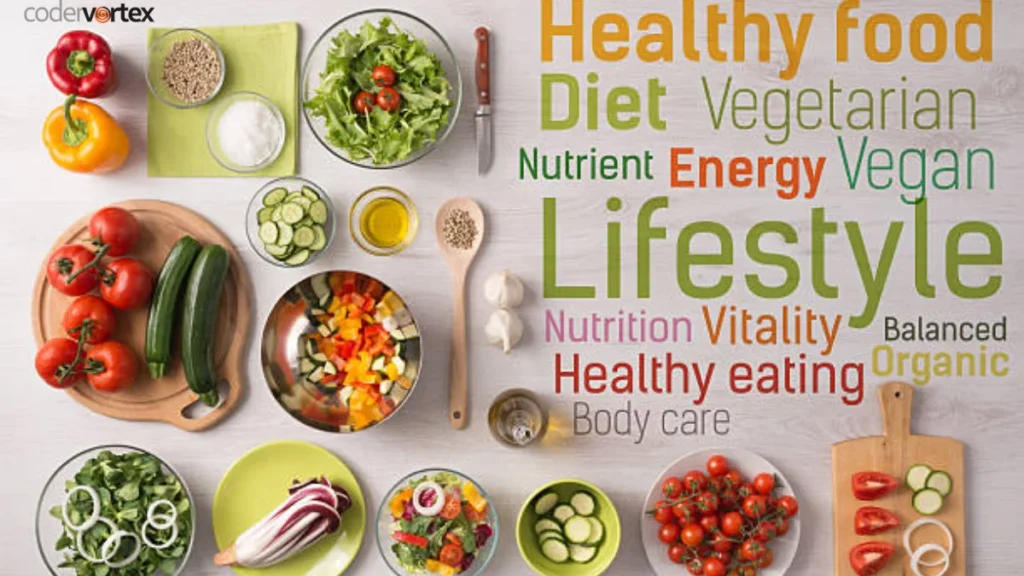
It encourages individuals to focus on whole foods over processed options. Fresh fruits, vegetables, lean proteins, and healthy fats are key components of this philosophy.
Additionally, TimesHealthMag Nutrition promotes individualized plans tailored to personal needs and lifestyle preferences. Everyone’s body responds differently; understanding these differences is vital for achieving optimal health.
This framework also considers mental well-being as part of nutritional choices. A positive relationship with food supports both physical health and emotional resilience.
The Importance of Balanced TimesHealthMag Nutrition for Healthy Living
Balanced TimesHealthMag nutrition is crucial for maintaining overall health. It supplies the vital nutrients your body relies on for peak performance.
When you prioritize balance, you’re fueling your body with vitamins, minerals, and macronutrients. Each component plays a specific role in bodily processes. This harmony helps boost immunity and promotes energy levels.
Moreover, balanced nutrition can significantly impact mental well-being. When your diet is rich in whole foods and low in processed ingredients, mood swings often decrease. A clear mind leads to better decision-making.
Many overlook the connection between food choices and physical health outcomes. Chronic diseases like diabetes or heart disease are linked to poor eating habits over time.
Additionally, embracing variety ensures that you enjoy meals while reaping diverse nutritional benefits. Incorporating different flavors keeps meal times exciting and satisfying without sacrificing health goals.
Creating a Balanced Meal Plan
Building a well-rounded eating plan begins with knowing what your body requires. Aim to include diverse types of foods in your meals. This includes fruits, vegetables, grains, proteins, and healthy fats.
Begin by selecting seasonal produce for freshness and flavor. Incorporate colorful fruits and veggies to ensure you get essential vitamins and minerals.
Next, consider portion sizes. Use tools like measuring cups or the plate method to guide your servings. Aim for half your plate filled with vegetables.
Don’t forget whole grains as they provide fiber and energy. Quinoa, brown rice, or oats are excellent choices that can easily be included in meals.
Protein is crucial too—choose lean meats, legumes, or plant-based options like tofu. These will keep you feeling full longer while supporting muscle health.
Stay flexible! Adjust your meal plan based on what works best for you and listen to your body’s hunger cues throughout the day.
Incorporating Physical Activity into Your Daily Routine
Adding movement to your day can be easy and even fun. Start small; even a brisk walk during lunch can make a difference. Aim for at least 30 minutes of moderate exercise most days of the week.
Consider activities you love. Dancing, biking, or hiking with friends can turn exercise into fun social time. Habits you enjoy are easier to maintain consistently.
Set reminders throughout your day to move around. Stretching every hour or taking the stairs instead of the elevator adds up over time.
Mix it up to keep things interesting. Try out new classes or sports that challenge different muscle groups and skills.
Listen to your body—rest when needed but stay committed to moving regularly. This creates a sustainable habit while enhancing both mental and physical well-being without feeling overwhelming.
Mindful Eating and Portion Control
Mindful eating is about being present during mealtime. It encourages individuals to savor each bite and truly appreciate the flavors and textures of food. This practice can transform your relationship with meals.
Managing serving sizes is key to eating with awareness. When you serve appropriate amounts, you avoid overeating without feeling deprived. Smaller plates can help create an illusion of abundance while promoting moderation.
Listening to your body’s hunger cues is essential. Pay attention to when you’re satisfied rather than waiting until you’re full. This approach fosters a deeper connection with what you consume.
Engaging all your senses enhances the experience of eating mindfully. Notice the colors on your plate, inhale the aroma, and feel the texture as you chew slowly.
Embracing this awareness not only improves digestion but also elevates enjoyment at every meal.
The Role of Supplements in a Balanced Diet
Supplements can play a supportive role in achieving balanced TimesHealthMag nutrition. They are not a substitute for whole foods, but they can help fill gaps in your diet.
Many people struggle to get enough essential vitamins and minerals from their meals alone. Busy lifestyles, dietary restrictions, or specific health conditions may contribute to this challenge. That’s where supplements come into play.
For instance, vitamin D is crucial for bone health but is often insufficient in many diets. Omega-3 fatty acids support heart health and brain function, yet they might be lacking if you don’t consume fish regularly.
Choosing quality supplements matters too. Look for third-party tested products that ensure potency and purity. Consulting with a healthcare professional before starting any supplementation plan is wise; personalized advice ensures you take the right approach aligned with your nutritional needs and goals.
Addressing Common Misconceptions about TimesHealthMag Nutrition
Many people hold misconceptions about TimesHealthMag nutrition that can hinder their journey towards a healthier lifestyle. One common myth is that healthy eating requires drastic changes or expensive foods. In reality, balanced nutrition can be achieved with everyday ingredients found in your local grocery store.
Another misunderstanding involves the belief that all fats are bad. Healthy fats, like those from avocados and nuts, play an essential role in our diet. They support brain health and help absorb vital nutrients.
There’s also a notion that you must eliminate carbs entirely to maintain a healthy weight. Carbohydrates are crucial for energy; the key lies in choosing whole grains over refined options.
Many think supplements replace nutritious foods. While they can aid nutritional gaps, they shouldn’t substitute for a well-rounded diet rich in fruits and vegetables. Emphasizing balance is what truly matters in TimesHealthMag nutrition.
Conclusion: Achieving Balance for Long-term Health Benefits
Achieving balance in nutrition is not just a goal; it’s a journey toward sustained well-being. TimesHealthMag Nutrition offers valuable insights into creating healthy habits that can last a lifetime. By focusing on balanced meal planning, incorporating physical activity, and practicing mindful eating, individuals can enhance their overall health.
Supplements may play a critical role in filling nutritional gaps for some, but they should never replace whole foods. Addressing misconceptions about nutrition allows us to make informed choices rather than follow fleeting trends.
Embracing these principles of TimesHealthMag Nutrition leads to more than just short-term results; it fosters long-lasting health benefits that improve quality of life. The path to balanced living isn’t always easy, yet the rewards are significant—greater energy levels, improved mood, and reduced risk of chronic diseases await those who commit to this lifestyle change. Start today and pave your way toward optimal health through balanced nutrition practices tailored specifically for you.